

Cyber security protection is no longer only an office IT concern. For manufacturers, original equipment manufacturers, system integrators and industrial operators, an incident can disrupt production, affect safety and delay recovery. Industrial environments need controls designed around legacy equipment, remote access and operational continuity.
What Is Cyber Security Protection?
Cyber security protection combines people, processes and technologies to reduce the likelihood of cyber incidents and limit their impact. It includes preventing unauthorised access, protecting operational data, monitoring systems and supporting recovery.
In industry, these measures must cover both information technology and operational technology. Assets may include servers, engineering workstations, programmable logic controllers, human-machine interfaces, industrial PCs, network devices and supplier connections.
Effective protection should reduce risk, detect unusual activity, contain incidents and help restore critical systems in a controlled way.
Why Standard IT Security Is Not Enough For OT
Office IT
Office IT security commonly focuses on protecting users, applications and data through standardised controls and regular change cycles.
Operational Technology
Operational technology must also protect physical processes, production continuity and safety, often across long-life assets and specialist industrial protocols.
Industrial assets may remain in service for decades and use older operating systems, proprietary protocols or equipment that cannot be updated without careful testing. A routine IT change could interrupt production, affect quality or create a safety issue.
Cyber security protection for OT must therefore consider operational impact as well as IT policy. Remote supplier connections should also be approved, restricted, monitored and removed when no longer required.
Core Cyber Security Protection Controls
A practical cyber security protection strategy should combine basic cyber hygiene with controls suited to industrial networks.
Access Control And Multi-Factor Authentication
Users should only access the systems and functions needed for their role. Privileged accounts, contractor access and remote support connections need particular care. Multi-factor authentication makes stolen passwords less useful, while inactive accounts and excessive permissions should be reviewed and removed.
Passwords And Account Management
Strong, unique passwords remain important, but account ownership matters too. Shared accounts make it difficult to confirm who accessed a system or changed a configuration. Supplier accounts should have defined permissions, named owners and review dates.
Updates And Patch Planning
Software and firmware updates can correct known weaknesses, but OT patching must be planned. Updates should be checked for compatibility, tested where possible and scheduled around production. Where an asset cannot be patched, additional controls may include network restrictions, monitoring and controlled access routes.
People And Endpoint Protection
Engineers, operators, maintenance teams and suppliers can be targeted by phishing and social engineering. Training should cover unexpected support requests, unusual file transfers and pressure to grant urgent remote access. Engineering laptops, operator workstations, servers and removable media should also be covered by endpoint policies and clear incident-reporting procedures.
Asset Visibility And Network Audits
Organisations cannot protect assets they do not know exist. Cyber security protection should begin with a record of devices, network connections, data flows, ownership, criticality and remote access routes.
A network audit can identify unknown equipment, unsupported systems, unnecessary connections and weaknesses in segmentation or access control. Records should be updated as equipment and production lines change.
Cyber Security Protection For OT Networks
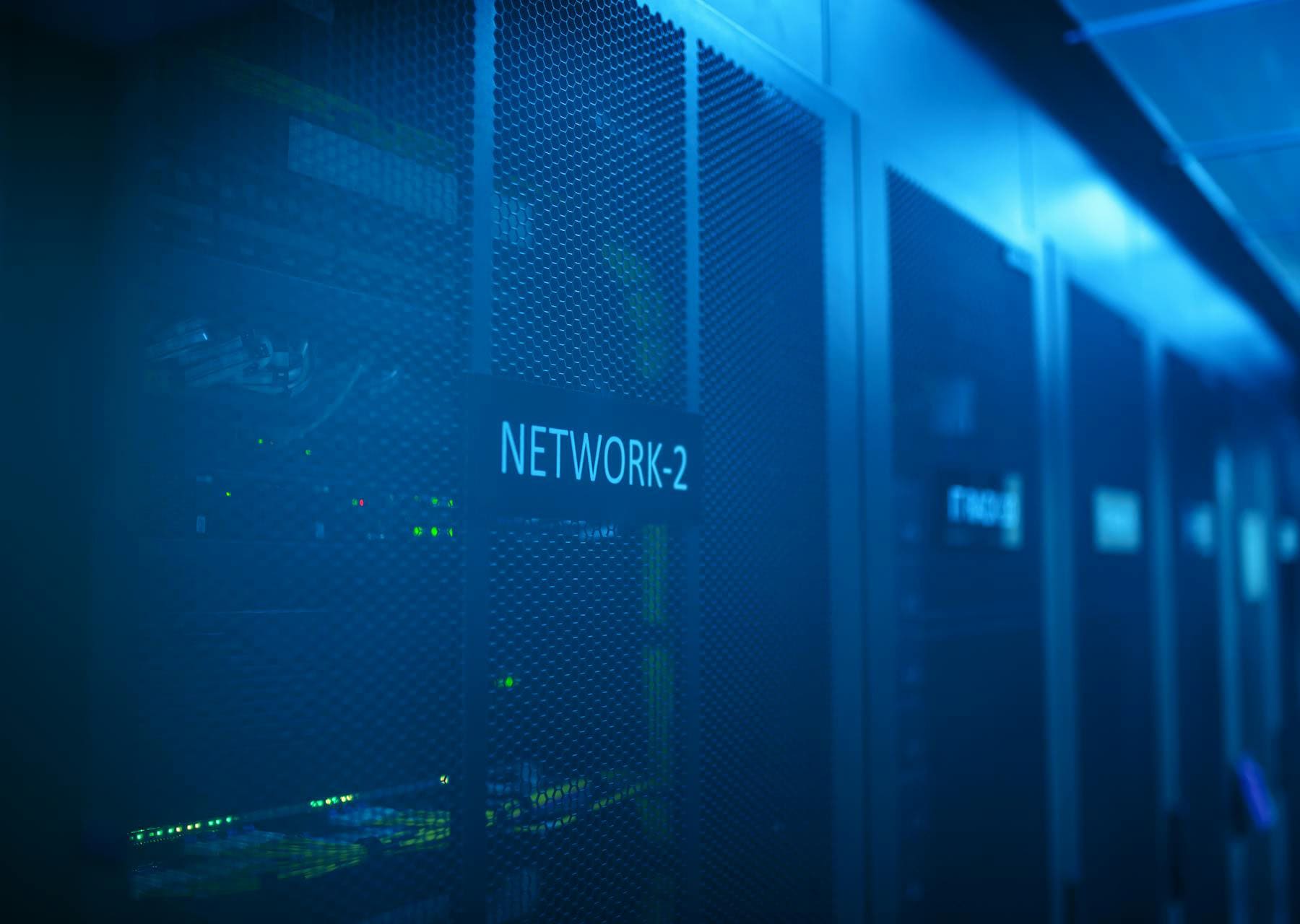
Network segmentation can stop one compromised device or account from providing unrestricted access across an industrial environment. Firewalls and controlled zones can restrict which systems are allowed to communicate.
M.A.C Solutions supports organisations reviewing OT cyber security and network controls for operational environments. Solutions such as TXOne Networks can support tighter control and visibility without treating industrial assets like standard office devices.
Secure remote access should be limited to approved users, systems and time periods. Connections should be monitored, with a reliable method for disabling access during an incident.
Backup, Version Control And Recovery
Cyber security protection must include resilience as well as prevention. If a controller programme, device configuration or engineering file is corrupted, the organisation needs a reliable known-good version.
AMDT Octoplant supports backup, version control and change management for industrial automation assets. Suitable backup and recovery measures can also help prepare for system failure or cyber attack.
Recovery plans should be tested. A backup only has value if it can be restored within an acceptable period.
Removable Media And Data Protection
USB devices remain common for maintenance, updates and file transfers, but they can introduce malware or allow sensitive files to leave controlled systems.
Organisations should define which media may be used and how it is checked. Controlled workflows and dedicated USB cyber security technology can help reduce risks linked to contractor devices and removable media.
How To Build A Cyber Security Protection Roadmap
A cyber security protection roadmap should be based on operational risk:
- Identify assets and critical systems.
- Review user, supplier and remote access.
- Map data flows between IT, OT and third parties.
- Assess segmentation and network boundaries.
- Review patching, backup and recovery.
- Control removable media and file transfers.
- Prioritise actions by operational impact.
- Review controls as systems and threats change.
IT, OT, engineering, operations and relevant suppliers should contribute so improvements remain practical and avoid unnecessary disruption.
Strengthening Industrial Cyber Security With M.A.C Solutions
M.A.C Solutions has more than 25 years of experience supporting industrial IT and OT environments. We help organisations assess requirements and select suitable products for industrial connectivity, diagnostics, remote access, backup and OT security.
Organisations reviewing resilience or wider industrial cyber security services can speak with our team about practical measures suited to their systems and operational priorities.
Frequently Asked Questions
What Is Cyber Security Protection?
Cyber security protection uses people, processes and technology to protect systems, networks, data and operations while supporting monitoring, response and recovery.
Why Is Cyber Security Different In OT?
OT environments often include legacy assets, industrial protocols, restricted maintenance windows and strict uptime or safety requirements. Controls must be assessed against their effect on production.
What Are The Main Industrial Security Controls?
Important controls include asset visibility, access management, multi-factor authentication, secure remote access, segmentation, patch planning, monitoring, backup and removable media management.
How Does A Network Audit Support Security?
A network audit identifies assets, configurations, access routes, traffic flows and weaknesses before organisations change segmentation, permissions or other controls.
Does Cyber Security Protection Prevent Every Attack?
No. Cyber security protection reduces likelihood and impact, but no single control removes every risk. A strong approach also includes detection, containment and recovery.
